
Roto Riteup: May 13, 2025
by Justin Mason

May 13, 2025
Robbery is a crime, sir.
Read the rest of this entry »
Robbery is a crime, sir.
Read the rest of this entry »
Daily SP Chart archive
The chart includes their performance for 2025 (I changed over from 2024 #s on April 15th), their opponent’s wOBA rank versus the pitcher’s handedness from this year so far (this changed as of April 14th), my general start/sit recommendation for 10-team, 12-team, and 15-team (or more) leagues, and then a note about them. Obviously, there are league sizes beyond those three so it’s essentially a shallow, medium, deep. If a pitcher only has an “x” in 15-team, it doesn’t mean there’s no potential use in 10s and 12s, but it’s basically a riskier stream for those spots.
These are general recommendations, and your league situation will carry more weight whether you are protecting ratios or chasing counting numbers. This is for standard 5×5 roto leagues. The thresholds for H2H starts are generally lower, especially in points leagues so I thought there would be more valuable focusing on roto.
—
Here is today’s chat transcript:
| 11:53 |
: I will begin at the top of hour. In the meantime, please follow me on all my social media’s (twitter, tiktok, facebook, youtube, bluesky, and instagram) at JustinMasonFWFB! I am doing regular podcasts on the FWFB podcast as well as three episodes a week for the Sleeper and the Bust so definitely make sure you are subscribed there as well!
|
| 12:00 |
: Sell high on Mullins? Buy low on Alcantara?
|
| 12:01 |
: I would sell high on Mullins depending on what I got back. I would not buy low on Alcantara outside of a keeper/dynasty situation. I just don’t trust the command and control returning from Tommy John
|
| 12:02 |
: McLain, JP Crawford and Kristian Campbell, who rides the pine in an OBP league?
|
| 12:02 |
: Campbell
|
| 12:02 |
: Will Kershaw get many QS’s when he returns?
|
Daily SP Chart archive
The chart includes their performance for 2025 (I changed over from 2024 #s on April 15th), their opponent’s wOBA rank versus the pitcher’s handedness from this year so far (this changed as of April 14th), my general start/sit recommendation for 10-team, 12-team, and 15-team (or more) leagues, and then a note about them. Obviously, there are league sizes beyond those three so it’s essentially a shallow, medium, deep. If a pitcher only has an “x” in 15-team, it doesn’t mean there’s no potential use in 10s and 12s, but it’s basically a riskier stream for those spots.
These are general recommendations, and your league situation will carry more weight whether you are protecting ratios or chasing counting numbers. This is for standard 5×5 roto leagues. The thresholds for H2H starts are generally lower, especially in points leagues so I thought there would be more valuable focusing on roto.
2-start board update coming Monday morning!
—
Afternoon update: sorry for the extreme delay on the 2-start board. Charlotte is taking prednisone for a little hip/back issue and the side effects are kickin’ her butt a bit, including needing to go out every 60-90 minutes to do her business so I was up most of the night and then crashed for a bit this morning when my gf woke up and could take care of Char.
—
In the article, I cover the players using CBS’s (about 40% or less initial roster rate) and Yahoo’s ADD/DROP rates. Both hosting sites have the option for daily and weekly waiver wire adds. CBS uses a weekly change while Yahoo looks at the last 24 hours. Yahoo is a great snapshot of right now while CBS ensures hot targets from early in the week aren’t missed. The players are ordered for redraft leagues by my rest-of-season preference, grouped by starters, relievers, and hitters. Read the rest of this entry »
Angels
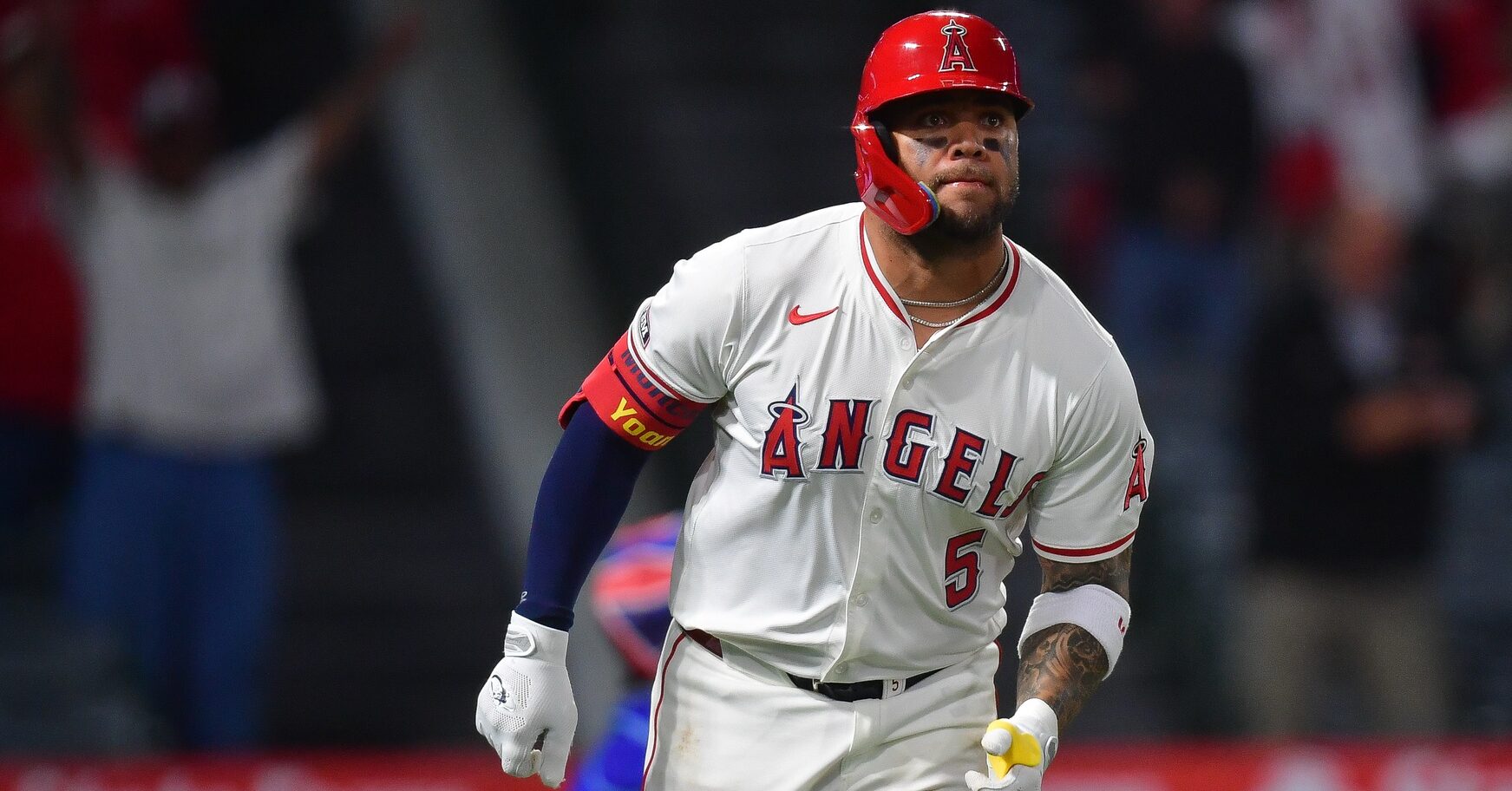
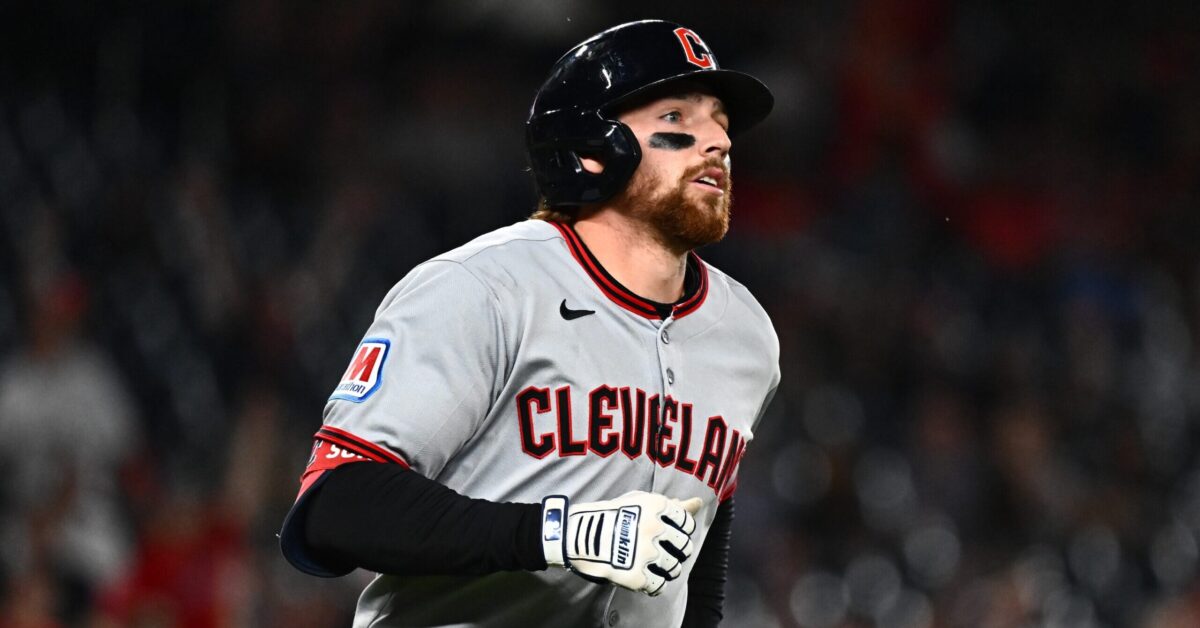
• Yoán Moncada (.826 OPS, 2 HR) with three straight starts at third base since coming off the IL. Read the rest of this entry »
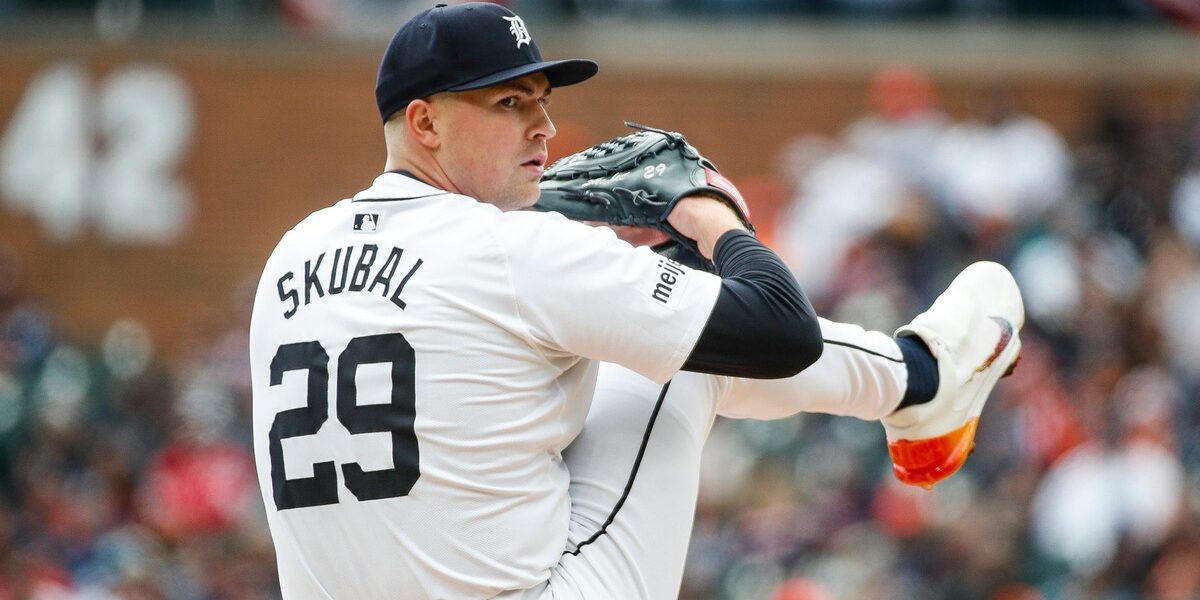
Below are the latest significant playing time projection changes for pitchers, with a couple of Cades leading the list for biggest gainers amongst SP.
While the NFBC Main Event garners most of the attention, there are a handful of leagues with even larger entry fees ($2.5K to $15K). They are named “High Stakes Leagues,” and there are eleven of them. With so much money on the line, these fantasy managers try to gain any advantage. Most of the time, these managers will be a week or two ahead of everyone else on their adds. Here are the players and some information on the ones added in five or more leagues. Read the rest of this entry »
Daily SP Chart archive
The chart includes their performance for 2025 (I changed over from 2024 #s on April 15th), their opponent’s wOBA rank versus the pitcher’s handedness from this year so far (this changed as of April 14th), my general start/sit recommendation for 10-team, 12-team, and 15-team (or more) leagues, and then a note about them. Obviously, there are league sizes beyond those three so it’s essentially a shallow, medium, deep. If a pitcher only has an “x” in 15-team, it doesn’t mean there’s no potential use in 10s and 12s, but it’s basically a riskier stream for those spots.
These are general recommendations, and your league situation will carry more weight whether you are protecting ratios or chasing counting numbers. This is for standard 5×5 roto leagues. The thresholds for H2H starts are generally lower, especially in points leagues so I thought there would be more valuable focusing on roto.
—
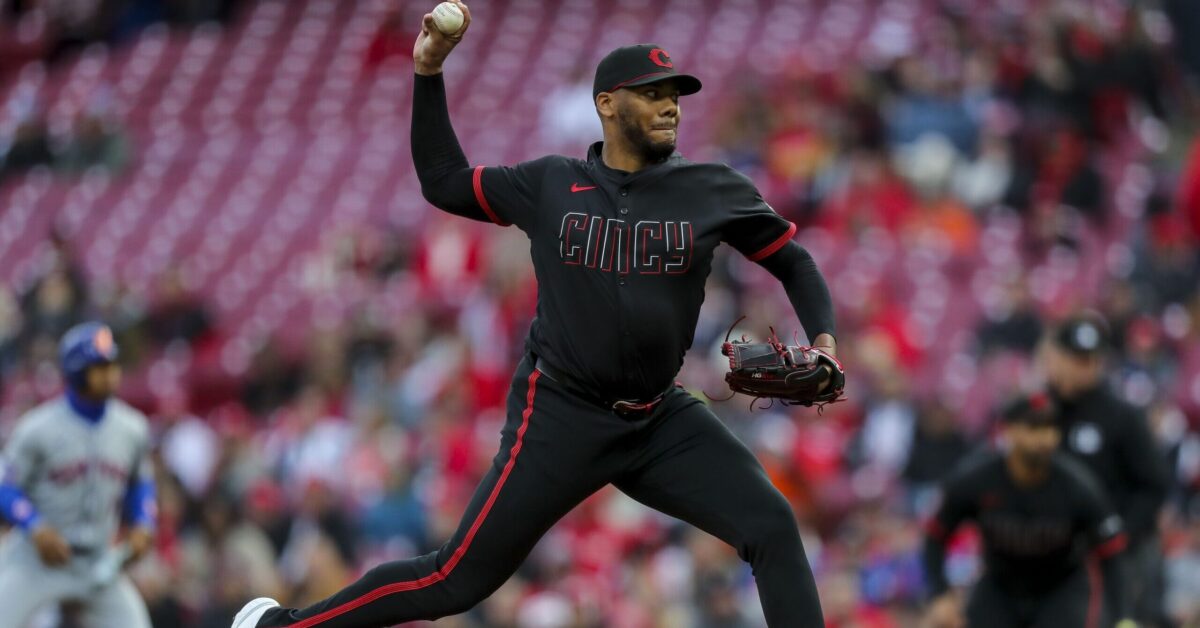
With about 20% of the season in the books, I wanted to see which arms have altered their projections the most relative to the preseason, like I did a few weeks back for bats. To do this, I’ll refer to OOPSY rest of season (ROS) projections, a system I introduced at FanGraphs this offseason. So far this year, OOPSY has held its own with other top projection systems featured at FanGraphs. I have a great respect for each of those systems, and would be happy enough to not embarrass myself in comparison. For each player, I’ll also offer my best guess on where I’d draft them in a standard 15-team Main Event league that was starting today, informed by a healthy mix of the FanGraphs auction calculator using OOPSY ROS and vibes.
Bear in mind that, across all projection systems, pre-2025 data still weighs much more heavily than 2025 data as pre-2025 covers a much larger sample of data. Like for bats, a single season typically never comprises more than half of the weight in a projection for arms, as projection systems usually weigh at least three years of historical data. The quickest ways for a pitcher to improve their projections are to improve their stuff, rack up strikeouts and limit walks, and keep the ball on the ground. These are reliable indicators of pitching talent that weigh heavily in all projection systems, not just OOPSY. In contrast, BABIP, home run per fly ball rate, and left-on-base percentage are less reliable metrics that typically require a large sample of data to significantly alter projections. The numbers referenced in this piece were collected on May 6th.