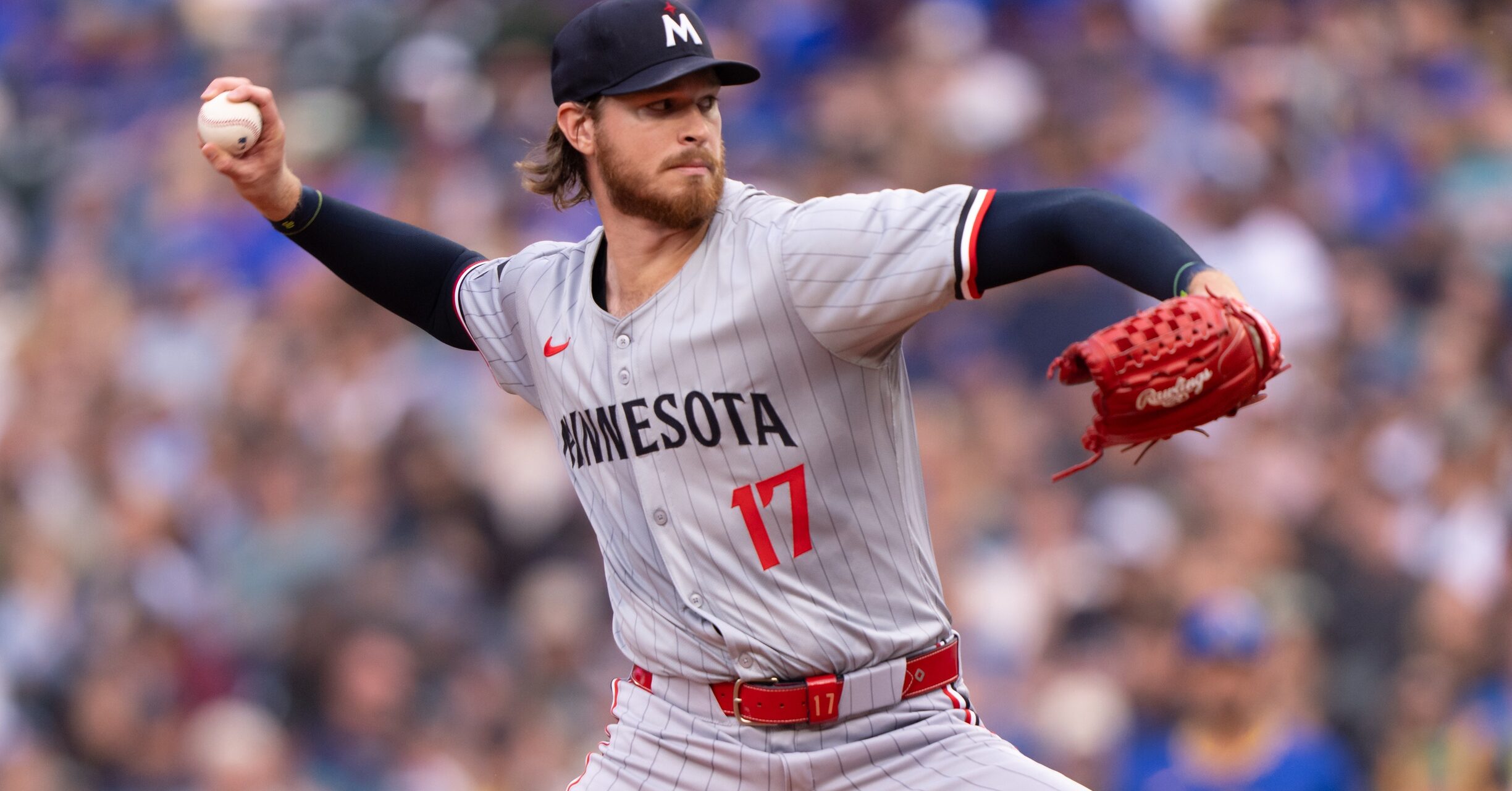
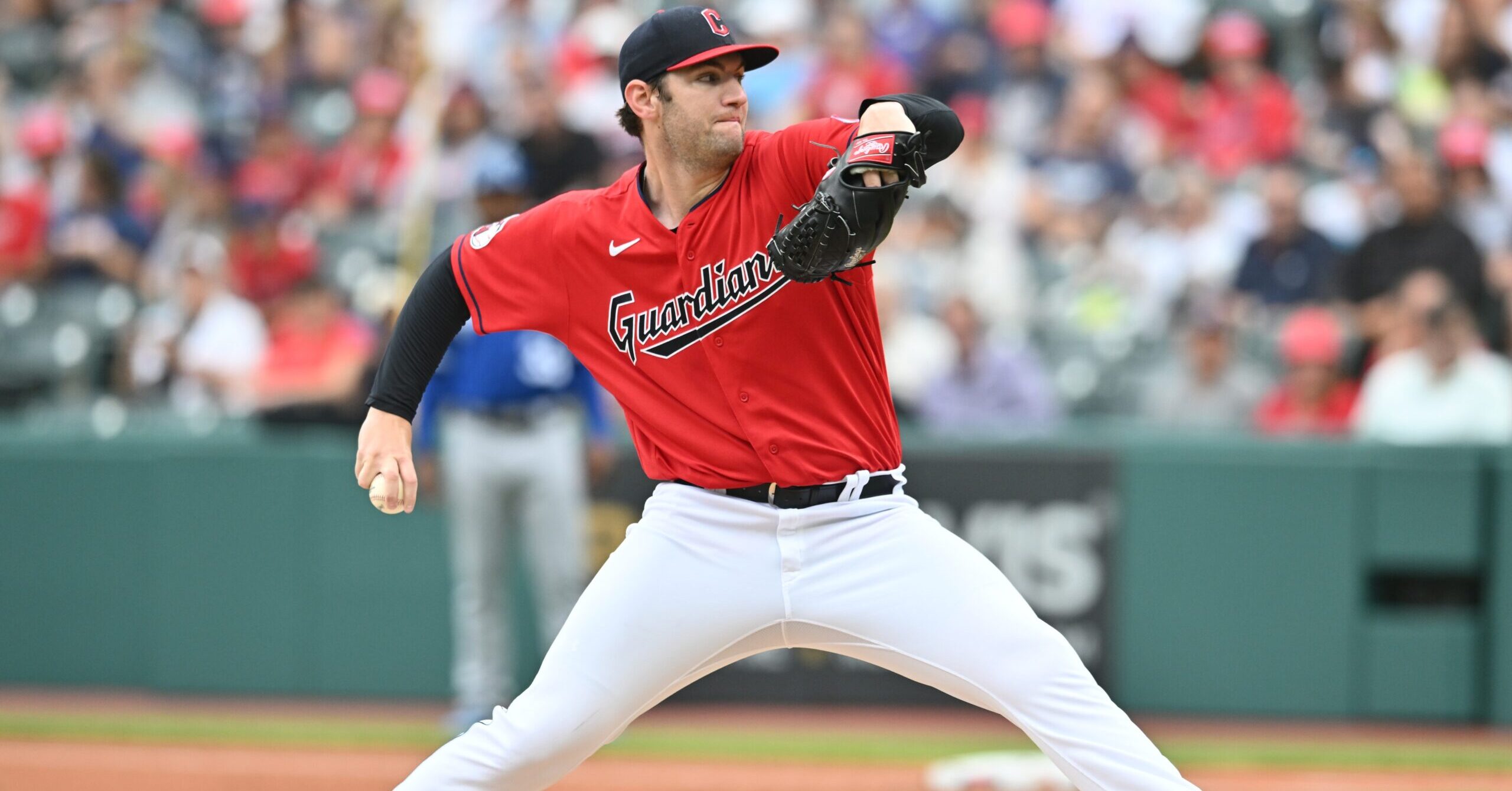
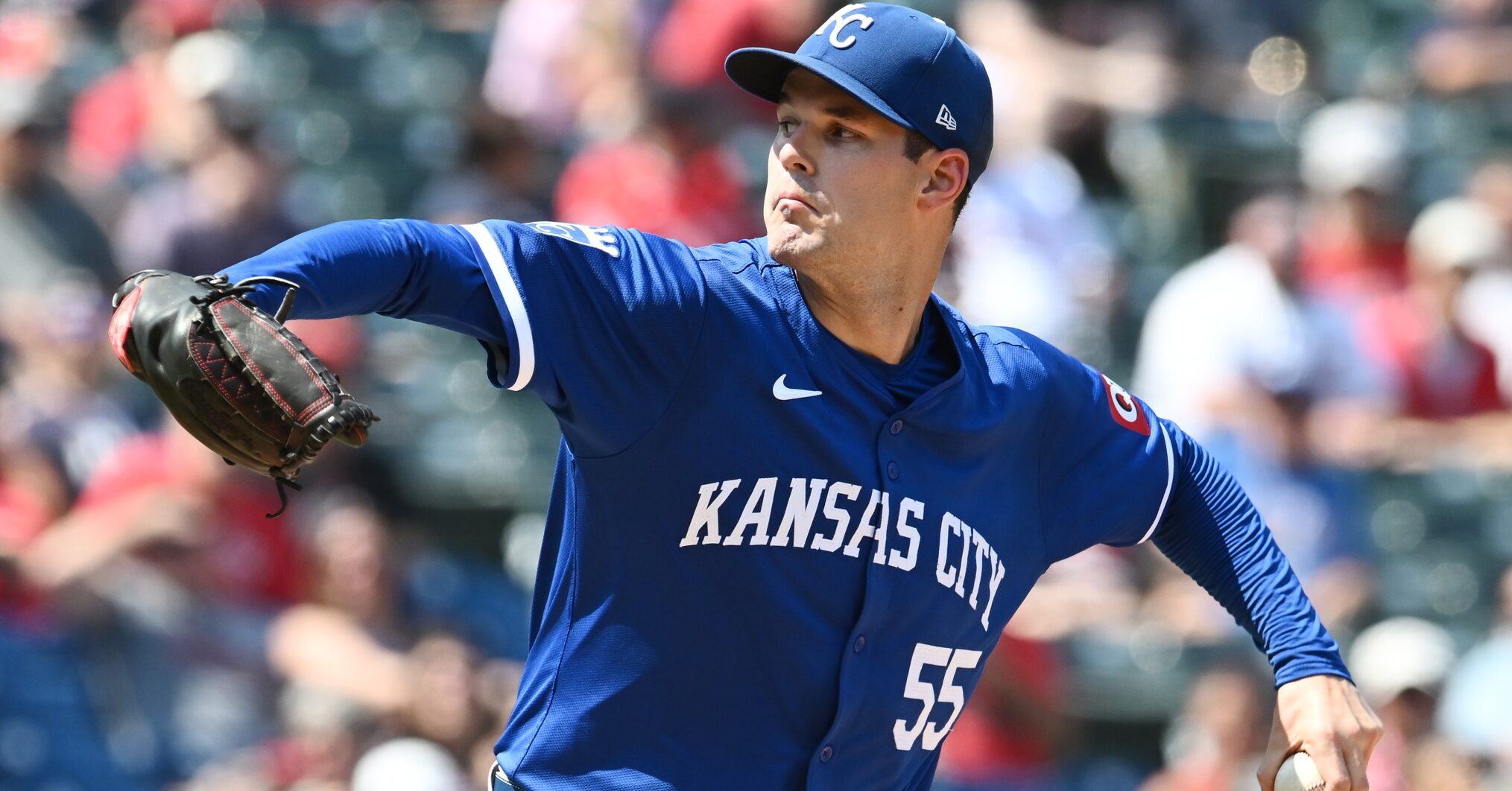
Pitchers can change. Pitchers can change. Pitchers can change. If you don’t believe that, read those first three sentences aloud, preferably in a loud voice in a public space. Hopefully, it will be heard by a fellow baseball lover, and boom, you have a new friend to debate the topic with. You can chat about whether changes in the way pitchers approach opposite-handed hitters matter in the grand scheme of the season. In this article, I’ll present five pitchers from each matchup combination who have increased their strikeout rates against opposite-handed hitters.
The chart includes their performance for 2025 (I changed over from 2024 #s on April 15th — a little earlier than last yr), their opponent’s wOBA rank versus the pitcher’s handedness from this year so far (this changed as of April 14th which is still a pretty small sample, but we can start attacking some cold lineups or be more careful with those performing well so far), my general start/sit recommendation for 10-team, 12-team, and 15-team (or more) leagues, and then a note about them. Obviously, there are league sizes beyond those three so it’s essentially a shallow, medium, deep. If a pitcher only has an “x” in 15-team, it doesn’t mean there’s no potential use in 10s and 12s, but it’s basically a riskier stream for those spots.
These are general recommendations, and your league situation will carry more weight whether you are protecting ratios or chasing counting numbers. This is for standard 5×5 roto leagues. The thresholds for H2H starts are generally lower, especially in points leagues so I thought there would be more value focusing on roto.
While the NFBC Main Event garners most of the attention, there are a handful of leagues with even larger entry fees ($2.5K to $15K). They are named “High Stakes Leagues,” and there are eleven of them. With so much money on the line, these fantasy managers try to gain any advantage. Most of the time, these managers will be a week or two ahead of everyone else on their adds. Here are the players and some information on the ones added in five or more leagues. Read the rest of this entry »
The chart includes their performance for 2025 (I changed over from 2024 #s on April 15th — a little earlier than last yr), their opponent’s wOBA rank versus the pitcher’s handedness from this year so far (this changed as of April 14th which is still a pretty small sample, but we can start attacking some cold lineups or be more careful with those performing well so far), my general start/sit recommendation for 10-team, 12-team, and 15-team (or more) leagues, and then a note about them. Obviously, there are league sizes beyond those three so it’s essentially a shallow, medium, deep. If a pitcher only has an “x” in 15-team, it doesn’t mean there’s no potential use in 10s and 12s, but it’s basically a riskier stream for those spots.
These are general recommendations, and your league situation will carry more weight whether you are protecting ratios or chasing counting numbers. This is for standard 5×5 roto leagues. The thresholds for H2H starts are generally lower, especially in points leagues so I thought there would be more value focusing on roto.
Pardon me on the commentary-free board tonight, something in my dinner is not sitting well with me so I’m headed to bed super early! I will answer questions/comments in the morning.
The chart includes their performance for 2025 (I changed over from 2024 #s on April 15th — a little earlier than last yr), their opponent’s wOBA rank versus the pitcher’s handedness from this year so far (this changed as of April 14th which is still a pretty small sample, but we can start attacking some cold lineups or be more careful with those performing well so far), my general start/sit recommendation for 10-team, 12-team, and 15-team (or more) leagues, and then a note about them. Obviously, there are league sizes beyond those three so it’s essentially a shallow, medium, deep. If a pitcher only has an “x” in 15-team, it doesn’t mean there’s no potential use in 10s and 12s, but it’s basically a riskier stream for those spots.
These are general recommendations, and your league situation will carry more weight whether you are protecting ratios or chasing counting numbers. This is for standard 5×5 roto leagues. The thresholds for H2H starts are generally lower, especially in points leagues so I thought there would be more value focusing on roto.
If you have questions about anyone I didn’t write up, let me know in the comments!
The chart includes their performance for 2025 (I changed over from 2024 #s on April 15th — a little earlier than last yr), their opponent’s wOBA rank versus the pitcher’s handedness from this year so far (this changed as of April 14th which is still a pretty small sample, but we can start attacking some cold lineups or be more careful with those performing well so far), my general start/sit recommendation for 10-team, 12-team, and 15-team (or more) leagues, and then a note about them. Obviously, there are league sizes beyond those three so it’s essentially a shallow, medium, deep. If a pitcher only has an “x” in 15-team, it doesn’t mean there’s no potential use in 10s and 12s, but it’s basically a riskier stream for those spots.
These are general recommendations, and your league situation will carry more weight whether you are protecting ratios or chasing counting numbers. This is for standard 5×5 roto leagues. The thresholds for H2H starts are generally lower, especially in points leagues so I thought there would be more value focusing on roto.